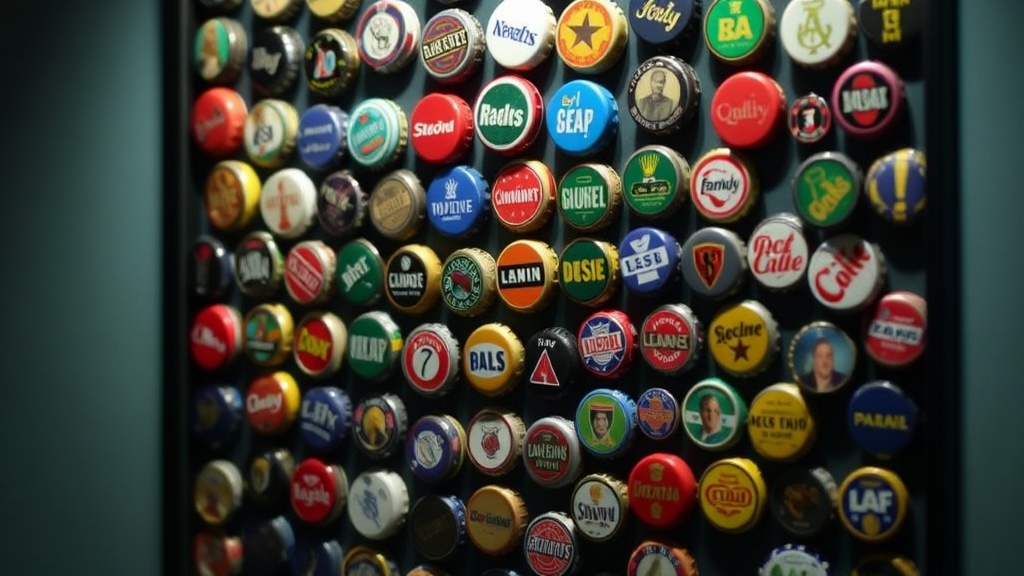
5 Creative Ways to Display Your Bottle Cap Collection

Shadow Box Frames with Custom Backgrounds
Magnetic Display Boards for Easy Rearranging
Glass-Top Coffee Tables with Cap Inserts
Vintage Wooden Trays and Serving Boards
Backlit LED Display Cases for Dramatic Effect
Bottle caps accumulate fast. Whether you've been collecting for decades or just started noticing the artwork on craft beer crowns, those small metal discs deserve better than a shoebox under the bed. This post covers five display methods that transform a scattered collection into something worth showing off — from budget-friendly DIY projects to professional framing solutions that protect and highlight each piece.
What's the Best Way to Display Bottle Caps Without Damaging Them?
The best display methods protect caps from moisture, dust, and handling while keeping them visible. Shadow boxes, display cases with UV-protective glass, and mounted frames with spacers all work well. The key is avoiding adhesives that leave residue and ensuring caps don't rattle against each other.
Serious collectors know that condition matters. A pristine 1950s Coca-Cola cap loses value fast if it's rattling around loose, collecting scratches and oxidation. The goal isn't just showing off — it's preservation.
Here's the thing: most damage happens slowly. You don't notice it until a cap turns dull or develops that white corrosion bloom. Proper display methods stop this before it starts.
Shadow Boxes and Deep Frames
Shadow boxes remain the gold standard. These deep frames — typically 1 to 3 inches — give caps room to breathe while keeping dust out. You'll find quality options from Michaels (the Studio Decor line runs about $25-40) or specialty retailers like Frame Destination. Look for ones with acid-free backing and UV-filtering acrylic rather than glass.
The trick is arrangement. Some collectors sort by color, creating ombre effects from gold to silver to red. Others organize chronologically or by brewery. A shadow box holding 100-150 caps makes a genuine statement piece.
Worth noting: never glue caps directly to the backing. Use clear photo corners, small foam adhesive dots (the kind that peel off clean), or custom-cut foam inserts. This way, you can rearrange or remove pieces without damage.
Can You Make a Coffee Table from Bottle Caps?
Yes — epoxy resin coffee tables with embedded bottle caps are increasingly popular among collectors with larger stashes. The process involves arranging caps on a plywood base, pouring clear epoxy resin in layers, and finishing with table legs. It's labor-intensive but creates a stunning, functional display piece.
This isn't a weekend project. Expect to spend $200-400 on materials and several days on pouring and curing. The results, though? A conversation piece that holds 500-1000 caps under a glass-smooth surface you can actually use.
You'll need:
- A pre-made table base or hairpin legs
- ¾-inch plywood cut to size
- Deep pour epoxy resin (TotalBoat or ProMarine brands work well)
- Heat gun for bubble removal
- Level, dust-free workspace
The catch? Once caps are encased, they're there permanently. Don't use rare or valuable pieces — stick to common duplicates and modern craft caps with colorful designs. Save the vintage Pepsi or Dr. Pepper finds for display methods that allow removal.
That said, a well-made resin table turns a collection from hidden hobby into legitimate home decor. Check tutorials on Instructables for detailed step-by-step guides from builders who've documented their mistakes so you don't repeat them.
How Do Museums Display Small Collectibles?
Museums use archival materials, controlled lighting, and secure mounting systems — approaches that work equally well for bottle cap collections at home. The principles are simple: protect from light damage, prevent physical contact with harmful materials, and stabilize pieces so they can't shift.
Conservation-grade framing isn't cheap. Expect to pay $100-300 per frame depending on size. But for valuable vintage collections — pre-1960s caps, rare brewery issues, or international sets — this investment protects worth far exceeding the frame cost.
Professional framing shops (try your local independent framer, not big-box craft stores) offer several museum-style options:
| Method | Best For | Price Range | Pros/Cons |
|---|---|---|---|
| Rag mat with spacers | Individual valuable caps | $75-150 | Archival safe, elegant / Limited capacity |
| Shadow box with linen backing | Sets and series | $100-250 | Deep display, flexible arrangement / Bulky on walls |
| Magnetic floating frame | Modern caps, rotation | $40-80 | Easy to swap pieces / Less protection |
| Acrylic block mounting | Single showcase pieces | $60-120 | Dramatic presentation / Permanent mounting |
Light matters more than most collectors realize. UV exposure fades paper liners and dulls painted finishes. If displaying caps near windows, use frames with conservation clear glass or acrylic — it blocks 99% of UV rays. Better yet, choose interior walls away from direct sunlight.
Are There Ready-Made Bottle Cap Display Products?
Yes. Several companies manufacture display solutions specifically for bottle caps, ranging from map-shaped boards to digital frames with scanning capabilities. These products save time and often include features DIY methods can't match.
Beer Cap Maps (beercapmaps.com) offers laser-cut wooden maps of each U.S. state and many countries, with holes sized for standard crowns. Push caps into place — no glue needed. A Texas map holds about 70 caps and costs around $35. Collectors fill their home state, travel destinations, or dream road-trip routes.
For tech-forward display, the CapCollector Digital Frame — available through specialty retailers — lets you photograph caps and display rotating galleries with collection data. It's overkill for casual hobbyists but appeals to serious catalogers.
More traditional options include:
- DisplayGifts bottle cap cases — glass-fronted wooden cabinets with individual slots, holding 50-200 pieces
- Ultra PRO toploaders — rigid plastic sleeves originally for trading cards, perfect for protecting individual valuable caps
- Cork-backed display boards — pin caps in place without adhesive, easy to rearrange
The trade-off with commercial products is personality — they look like store-bought solutions. That works fine for some collections. Others call for custom builds that reflect the collector's style.
What DIY Display Methods Work Best for Beginners?
Picture frames with custom inserts, magnetic boards, and repurposed furniture offer accessible entry points for new collectors. These methods require basic tools and minimal skill while producing professional-looking results.
The simplest DIY project? A standard frame with foam core backing. Buy a deep frame (IKEA's RIBBA line works well at $15-25), cut foam core to fit, cover with felt or decorative paper, and arrange caps using removable adhesive dots. One afternoon, under $30, and you've got wall-ready display.
Magnetic boards offer even more flexibility. Galvanized steel sheets — available at hardware stores for $10-20 — accept magnets on the back of caps. Glue small neodymium magnets (get them from K&J Magnetics) to cap interiors using E6000 adhesive. Now caps snap securely into place and rearrange instantly.
That said, magnets add weight. Standard crowns weigh about 2 grams; with magnets, they hit 5-7 grams. Use strong enough magnets — grade N42 or higher — or caps slide down vertical boards over time.
Repurposed and Found Displays
Creative collectors adapt unexpected items. Old printer's trays — those wooden compartments once used for letterpress type — fit dozens of caps perfectly. Thrift stores and antique malls sell them for $20-60 depending on condition. The small compartments organize by theme while the vintage wood adds character.
Cookie tins with glass lids, old candy display cases, even repurposed silverware drawers — the hunt for display materials becomes part of the collecting hobby itself.
"The best displays tell a story. A grid of organized caps looks like inventory. A shadow box with concert tickets, bottle caps from venues visited, and photos from those nights? That's a memory you can hang on the wall." — Portland craft beer collector, interviewed for this piece
Maintenance and Long-Term Care
Displayed collections need occasional attention. Dust settles. Caps oxidize. Adhesives fail. A quarterly check prevents small problems from becoming collection damage.
Keep microfiber cloths handy for dusting frames without opening them. Check for condensation inside sealed displays — a sign of trapped moisture that needs addressing fast. Rotate displayed pieces if you have duplicates in storage; this prevents fading on favorites while giving lesser-seen caps their moment.
Humidity is the silent enemy. Metal caps rust. Paper liners mold. If you live in damp climates (looking at you, Pacific Northwest), consider adding silica gel packets inside shadow boxes. Replace them every few months when they saturate.
Here's the thing about building a display: it forces decisions. Which caps matter most? What story are you telling? The process of arranging and mounting transforms accumulation into curation. A thousand caps in boxes feels like clutter. Fifty caps in a well-lit frame feels like a collection worth having.
Start with one method. Build from there. The caps aren't going anywhere — they've already waited decades to be shown properly.