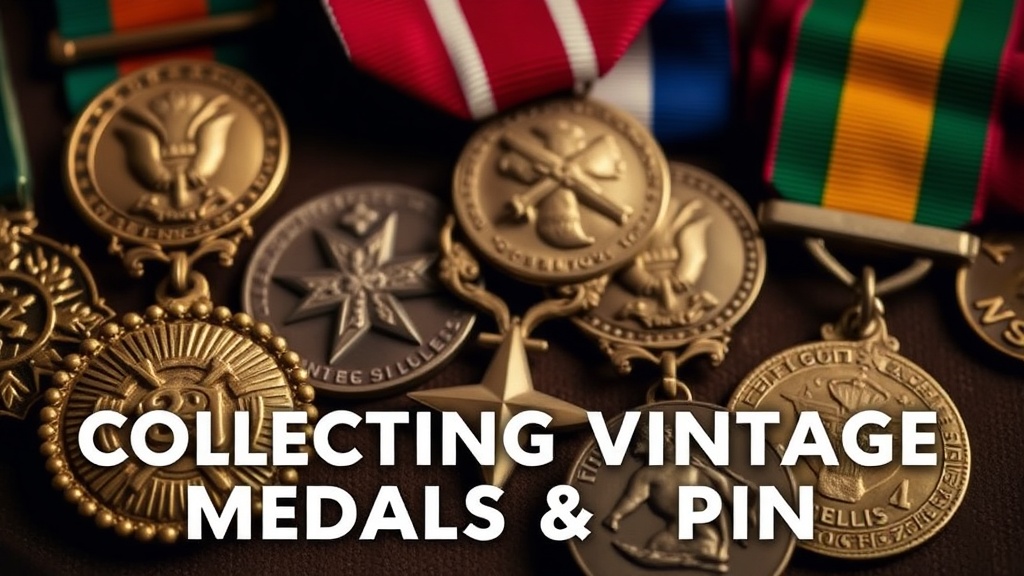
Complete Guide to Collecting Vintage Military Medals & Pins

This guide covers everything you need to know about starting, growing, and maintaining a vintage military medals and pins collection. Whether you're drawn to World War II memorabilia, Cold War-era badges, or modern commemorative pieces, you'll find practical advice on authentication, valuation, storage, and sourcing. Military collectibles offer a tangible connection to history — and when approached correctly, they can become valuable assets that appreciate over time.
What Are the Most Valuable Military Medals to Collect?
The most valuable military medals typically fall into three categories: campaign medals from major conflicts, decorations for valor, and rare foreign-issue pieces. World War I and World War II medals dominate the market, but don't overlook Korean War, Vietnam War, and even Gulf War memorabilia — these markets are growing as collectors seek less saturated niches.
Here's the thing: rarity doesn't always equal value. Condition matters enormously. A common medal in mint condition often outperforms a rare piece that's been battered around. The original ribbon, correct mounting, and provenance (documented history of ownership) can double or triple a medal's worth.
Consider this breakdown of high-value categories:
| Category | Examples | Typical Value Range |
|---|---|---|
| Victoria Cross (British) | WWI and WWII issues | $50,000 – $500,000+ |
| Medal of Honor (U.S.) | Any authentic period | Priceless (illegal to sell) |
| Iron Cross 1st Class | WWI with maker marks | $200 – $2,000 |
| Purple Heart | Named WWII pieces | $100 – $5,000 |
| Foreign Campaign Sets | Complete British WWII groups | $300 – $15,000 |
The catch? Reproductions flood the market. A "rare" SS badge purchased for $50 at a flea market is almost certainly fake. Reputable dealers like eMedals and the National Auctioneers Association maintain databases of known fakes — worth checking before any significant purchase.
How Do You Authenticate Vintage Military Pins and Medals?
Authenticating military collectibles requires examining materials, construction methods, markings, and patina. Genuine pieces show age-appropriate wear, correct metal composition, and period-accurate manufacturing techniques. Modern reproductions often feel wrong — too light, too shiny, or chemically aged in ways that don't match natural oxidation.
Start with the basics. Most medals have specific maker marks — small stamps indicating the manufacturer. Learn these. The National WWII Museum maintains excellent reference materials on U.S. manufacturer markings. For German pieces, reference books like "The Iron Cross 1. Klasse" by Dietrich Maerz provide definitive guidance.
Magnet testing helps too. Many fakes use magnetic metals; authentic pieces rarely do. Weight comparisons matter — a genuine Iron Cross should feel substantial, not flimsy. The sound test (gently tapping medals) reveals much: authentic pieces ring differently than cast reproductions.
Worth noting: documentation doesn't guarantee authenticity. "Certificates" accompany many fakes. Focus on the object itself. When in doubt — and for purchases over $500 — professional authentication services like those offered by major auction houses provide peace of mind. The fee (usually 5-10% of estimated value) often saves money long-term.
Where's the Best Place to Buy Military Medals?
The best places to buy military medals depend on your experience level and budget. Beginners should start with established dealers and auction houses; experienced collectors can scout estate sales, militaria shows, and online marketplaces for undervalued pieces.
Each sourcing method has trade-offs:
- Specialized dealers — Higher prices, but guaranteed authenticity and return policies. eMedals, Militaria Hub, and local shops in Portland (like Vintage Militaria on Hawthorne) fall into this category.
- Auction houses — Access to rare pieces with documented provenance. Heritage Auctions, Bonhams, and smaller regional houses regularly feature military collections.
- Militaria shows — Opportunity to handle pieces, compare prices, and network with other collectors. The MAX Show (Military Antiques and Collectibles) and the Ohio Valley Military Society events draw serious collectors.
- Online marketplaces — eBay, Etsy, and Facebook groups offer deals, but risk runs high. Only buy from sellers with extensive positive feedback and clear return policies.
- Estate sales — Hidden gems appear regularly. The downside? You'll sort through plenty of junk to find gold.
That said, never rush a purchase. Serious collectors develop relationships with dealers over years. These relationships provide first access to new inventory, payment plans for expensive pieces, and mentorship on tricky authentication questions.
How Should You Store and Display Military Collectibles?
Proper storage prevents the deterioration that destroys value. Military medals and pins require climate-controlled environments, appropriate materials, and protection from light, moisture, and handling damage.
Temperature and humidity matter enormously. Aim for 65-70°F with 45-55% relative humidity. Basements and attics? Disasters waiting to happen. Basements flood; attics roast. Display cases with UV-protective glass work well — the Pinnacle Frames medal display case runs about $80 and accommodates 20-30 pieces comfortably.
Storage materials require careful selection. Acid-free foam, archival-quality plastic (Mylar D), and unbleached cotton provide safe support. Regular cardboard, PVC plastics, and newspaper destroy medals over time — the acids leach into metals and ribbons. For pins, individual polyethylene bags prevent scratching and tarnish.
Cleaning requires extreme caution. Never polish medals — you'll destroy the patina that collectors value. For light dust, compressed air works. For stubborn grime, distilled water and a soft brush (think watercolor brushes) handle most situations. When doubt exists, consult a professional conservator. The American Institute for Conservation maintains a directory of qualified specialists.
What Insurance and Documentation Should Collectors Maintain?
Serious collections need proper documentation and insurance coverage. Photograph every piece from multiple angles, record purchase details (date, price, seller, any provenance), and store this information securely — both physically and in cloud backup.
Standard homeowners insurance rarely covers collectibles adequately. Most policies limit coverage to $1,000-$2,500 for jewelry and collectibles combined, with depreciation clauses that gut actual value. Specialized collectibles insurance through companies like Collectibles Insurance Services or American Collectors Insurance provides agreed-value coverage — you'll receive the insured amount if pieces are lost, stolen, or damaged.
That said, insurance companies require appraisals for high-value pieces. Update appraisals every 3-5 years; military memorabilia markets fluctuate significantly. The 2019 sale of a Victoria Cross group for $480,000 shifted valuations across the entire British medal market. Your 2015 appraisal probably undervalues your collection substantially.
Building a Collection with Purpose
Successful collectors focus. The "collect everything" approach dilutes resources and produces a cluttered, unfocused display. Better to own 50 exceptional pieces than 500 mediocre ones.
Consider specializing by conflict (World War I aviation medals), country (British Commonwealth), decoration type (valor awards only), or even specific units (the 101st Airborne, the RAF's Dam Busters). Narrow focus deepens knowledge — and knowledgeable collectors spot opportunities others miss.
The collecting community rewards engagement. Join organizations like the Orders and Medals Society of America (OMSA) or the Military Collectors Club. Attend meetings, contribute to forums, and mentor newcomers. The connections made prove invaluable — both socially and financially.
"The best collections tell stories. Each medal represents someone's service, sacrifice, or achievement. Respect that history, and the collection transcends mere accumulation."
Start small. Learn constantly. Buy quality over quantity. The vintage military medal market rewards patience, knowledge, and genuine appreciation for the history these pieces represent. Whether you're drawn to the artistry of early 20th-century French decorations or the brutal functionality of Third Reich awards, there's a niche waiting. The path of building a meaningful collection stretches across decades — enjoy every discovery along the way.