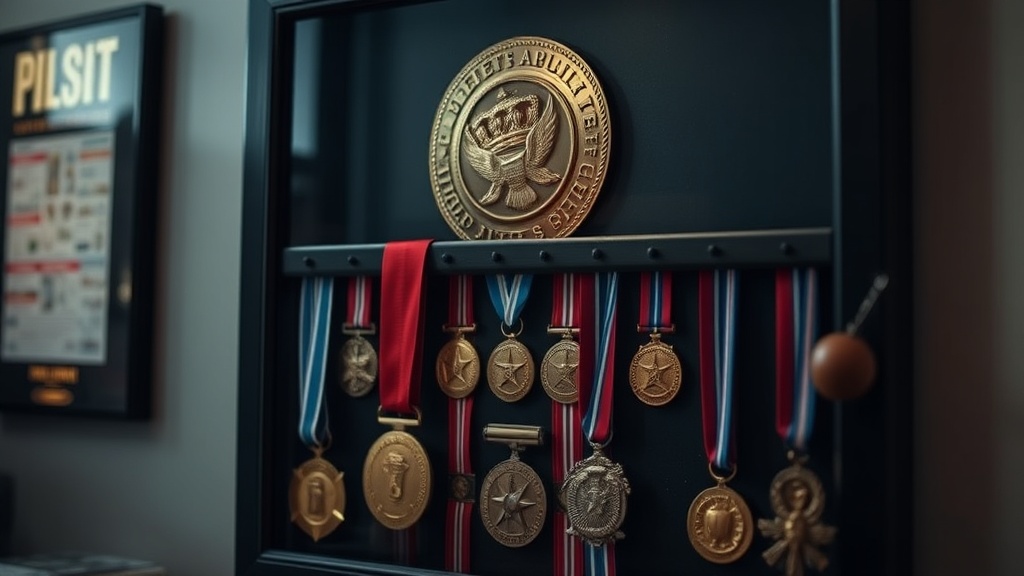
Creative Ways to Display and Protect Your Medal Collection

This guide covers practical, creative methods for displaying and safeguarding medal collections—from shadow boxes and custom frames to archival storage solutions. Whether you've inherited a single military decoration or spent decades acquiring running medals, commemorative coins, and antique pins, proper display and protection keeps these pieces in pristine condition while letting you actually enjoy them. Tarnish, dust, UV damage, and improper handling can ruin a collection's value and appearance faster than you'd think. Here's what actually works.
What's the Best Way to Display Medals Without Damaging Them?
The safest display method depends on your medal type, available space, and whether the pieces hold sentimental or monetary value. For most collectors, a combination approach works best: show off favorites in protective frames or cases, store the rest in archival conditions.
Shadow boxes remain the gold standard for medal display. These deep frames—typically 1.5 to 3 inches deep—accommodate ribbons, pins, and three-dimensional medals without crushing them. Michaels' Studio Decor shadow boxes run $25-$60 and include acid-free backing boards. The catch? Cheap shadow boxes often use regular cardboard that off-gases and yellows fabric over time. Look for "acid-free" or "archival quality" labels specifically—not just "premium" or "museum-style" marketing fluff.
Custom framing at shops like Frame Destination or local Portland framers (Frameworks on Alberta Street does excellent work) costs more ($80-$200+) but provides UV-protective glass and proper matting that prevents medals from touching the glazing. Standard glass lets through damaging ultraviolet light that fades ribbons and tarnishes metals. Conservation glass blocks 99% of UV rays.
Here's the thing about wall mounting—direct sunlight destroys collections. Even with UV glass, heat buildup inside frames accelerates deterioration. Hang displays on interior walls away from windows. North-facing walls work best in the Northern Hemisphere. That sunny living room wall might seem perfect, but your medals will thank you for the darker hallway spot.
For rotating displays, consider tabletop cases. The Patriot Display Case by Flag Connections ($45-$85 on Amazon) features glass tops, velvet lining, and lockable latches—ideal for military medals. Sports collectors often prefer the BallQube Medal Holder for race medals, though it's plastic rather than glass.
Creative Display Ideas Beyond Traditional Frames
Wall-mounted medal hangers offer a middle ground between storage and display. The Allied Medal Hangers brand produces steel racks shaped like running figures, states, or custom silhouettes. Prices range from $30-$70. These keep medals accessible (great for pieces you rotate or handle frequently) but expose them to dust and air pollutants.
Some collectors repurpose vintage printer's trays, wooden tea boxes, or cigar humidors as medal displays. These add character but require modification—line compartments with unbuffered acid-free tissue (available from Gaylord Archival) to prevent wood acids from contacting metal. Never let medals rest directly on wood, cardboard, or regular felt. These materials contain acids and sulfur compounds that cause irreversible tarnishing.
Cork boards with fabric coverings work for lightweight pins and smaller medals. Use stainless steel pins rather than the brass ones that come with most boards—brass corrosion transfers to medals. Cover the cork with unbleached cotton muslin or archival linen from a craft store. Avoid synthetic fabrics that generate static electricity (attracts dust) or off-gas plasticizers.
How Do You Prevent Medals from Tarnishing in Storage?
Tarnish prevention requires controlling humidity, eliminating sulfur compounds from storage materials, and limiting air exposure. Silver, bronze, and copper medals are particularly vulnerable—sometimes developing visible corrosion within weeks in poor conditions.
Humidity control tops the priority list. Ideally, store medals at 35-45% relative humidity. Above 60%, corrosion accelerates dramatically. Below 30%, organic materials (ribbons, leather cases) become brittle. In Portland's damp climate, this means active dehumidification for serious collections—not just tossing silica gel packets in a drawer and forgetting them.
Rechargeable silica gel canisters (the Eva-Dry E-333 units, about $20 each) work for small spaces. For larger collections, the Pro Breeze Electric Mini Dehumidifier ($40-$60) maintains closets and small rooms. Check humidity with a digital hygrometer—the AcuRite 00613 ($12) provides accurate readings and tracks highs and lows.
| Storage Method | Best For | Cost Range | Protection Level |
|---|---|---|---|
| Polyethylene bags + silica gel | Bulk storage, duplicates | $0.50-$2 per medal | Good |
| Archival flip boxes | Valuable individual pieces | $8-$25 per medal | Excellent |
| Fireproof safe with desiccant | High-value collections | $150-$800 | Maximum |
| Bank safe deposit box | Irreplaceable items | $50-$300/year | Maximum (but inaccessible) |
| Display case with glass front | Rotation pieces | $30-$200 | Moderate |
For individual medal storage, 2x2 cardboard flips with Mylar windows work well—available from coin supply dealers like Whitman Publishing or Wizard Coin Supply. These cost pennies each and keep air circulation minimal. Avoid PVC "soft" flips or vinyl pages; the plasticizers react with metal surfaces, leaving green or milky residues that require professional conservation to remove.
Archival boxes from Gaylord Archival, Hollinger Metal Edge, or University Products provide acid-free, lignin-free storage for larger collections. Their medal-sized boxes run $15-$40 depending on capacity. Store boxes horizontally—stacking vertically puts pressure on lower contents and risks ribbon damage.
Handling and Maintenance Without the Damage
Cotton gloves matter. Skin oils contain chlorides and sulfur compounds that etch metal surfaces over time. White cotton inspection gloves cost $5-$10 for a dozen pairs. Nitrile gloves work in a pinch but can trap moisture against surfaces during extended handling sessions.
Never polish medals. This destroys patina and microscopic surface detail that specialists use for authentication and grading. "Cleaning" a rare medal can reduce its value by 50-90%. Light dusting with a soft camel hair brush (Winsor & Newton Series 240, $8-$15) removes surface debris safely. For stubborn tarnish on display pieces, consult a professional conservator—organizations like the American Institute for Conservation maintain directories of qualified specialists.
Ribbons need protection too. UV light fades colors rapidly—red turns pink, blue fades to gray. Keep ribbons away from light when possible. For displayed pieces, rotate them every few months. If a ribbon shows fraying or oxidation (common on silk and wool WWII-era military ribbons), limit handling and consider professional textile conservation.
What Are the Most Common Mistakes That Ruin Medal Collections?
The worst damage usually comes from well-intentioned mistakes: improper cleaning, cheap storage materials, and environmental neglect. Knowing what to avoid saves more collections than knowing fancy display techniques.
Tape destroys ribbons. The adhesive migrates into fibers, creating permanent stains and brittleness. Never use Scotch tape, masking tape, or mounting putty on medals or ribbons. For temporary positioning in displays, use unbleached cotton twill tape or archival photo corners.
Staples and paper clips are collection killers. They rust, staining everything they touch. Rubber bands liquefy over time, bonding permanently to surfaces. If you inherit a collection held together with these—common with estate accumulations—remove them carefully wearing gloves, then isolate affected pieces for assessment.
Worth noting: attic and basement storage ruins most collections. Temperature swings cause condensation. Basements flood. Attics roast. A closet on the main living level, away from exterior walls and bathrooms, provides the most stable environment. That antique military medal stored in Grandpa's footlocker in the garage? It's probably already corroding.
Insurance and Documentation
Document everything before disaster strikes. Photograph medals individually, front and back, with a ruler for scale. Record inscriptions, maker's marks, and provenance. Store digital copies in cloud storage and physical copies with the collection.
Standard homeowner's insurance rarely covers collectible medals adequately. Specialized collectibles insurance through providers like Collectibles Insurance Services or Hagerty offers agreed-value coverage with lower deductibles. Expect to pay 0.5-1.5% of insured value annually. Appraisals from recognized experts (American Numismatic Association, Orders and Medals Society of America) support claims and establish replacement value.
How Should You Display Different Types of Medals?
Sports medals, military decorations, and antique commemoratives each have unique display considerations based on size, ribbon configuration, and frequency of handling.
Running and triathlon medals typically feature wide ribbons and heavy, three-dimensional designs. The Allied Medal Hangers Wall Mount accommodates dozens of these efficiently. For a cleaner look, the MedalAwardsRack Premium Display ($60-$120) uses stainless steel bars that thread through ribbon loops without damaging them. These work well for active athletes who add new pieces regularly—much easier than re-framing constantly.
Military medals demand more formality. The traditional mounting order (highest precedence top-right, alternating right-to-left, top-to-bottom) follows strict regulations. The Medals of America website provides accurate precedence charts for U.S. decorations. Foreign medals complicate arrangements—generally they follow domestic awards but check specific branch regulations if displaying while in service. Shadow boxes with black or navy velvet backgrounds best showcase gold and silver-toned military pieces.
Antique and commemorative medals often lack ribbons, displaying better in easel-backed cases or glass domes. The Round Top Collectibles Display Dome ($25-$45) works well for single significant pieces. For collections of smaller medals—souvenir medals from shrines, World's Fair commemoratives, society medals—tray-style cases with divided compartments keep pieces organized and protected.
That said, don't overcrowd displays. Medals touching each other scratch and abrade. Leave breathing room—at least a quarter-inch between pieces in cases. In shadow boxes, use matting spacers to create depth and separation. The visual impact actually improves with negative space.
Pin-back medals (common in fraternal organizations and early 20th-century commemoratives) present unique challenges. The pins damage backing materials and can rust. Display these in shallow trays or use modified cases with soft polyethylene foam backing. Never force pins through cardboard or fabric—bend the clasp mechanism and the medal loses significant value.
Rotation Strategies for Large Collections
No display method suits permanent exhibition for valuable pieces. Light damage accumulates irreversibly over time. Serious collectors rotate displayed items quarterly or seasonally, returning pieces to dark storage after their display period.
This approach lets you enjoy the full collection without concentrating damage on favorites. It also gives you regular handling opportunities to inspect for developing problems—tarnish spots, loose ribbons, case seal failures. Catching issues early prevents expensive conservation later.
Your medals represent achievement, history, memory. They deserve better than a junk drawer or a dusty box. With proper materials, environmental awareness, and these display techniques, a collection becomes something you actually live with—protected, organized, visible, meaningful.