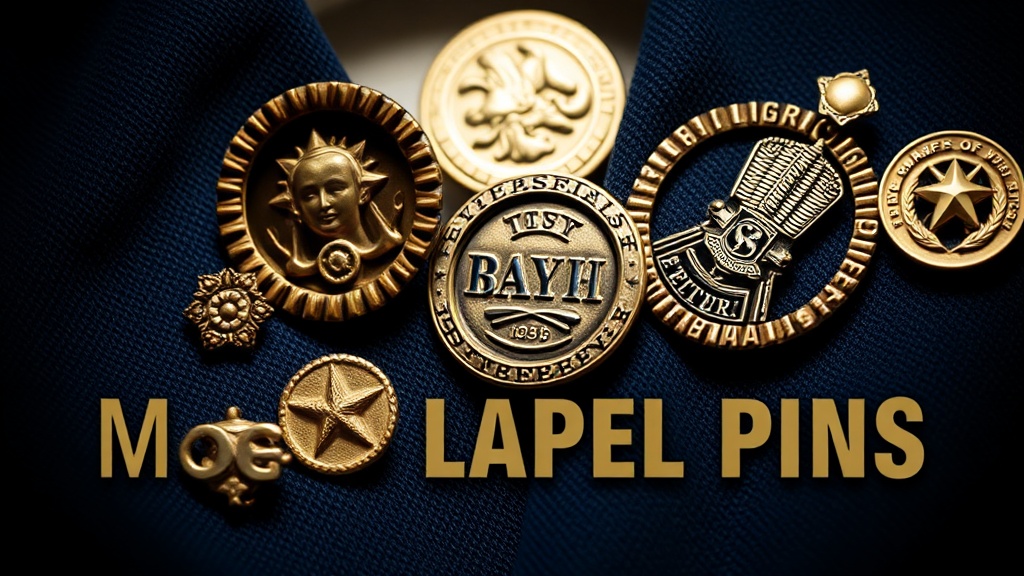
Determining the Value of Vintage Metal Lapel Pins

Why Do Certain Vintage Pins Command Higher Prices?
A single, weathered brass pin from a defunct 1940s social club can sometimes sell for more than a pristine gold-plated piece from a modern manufacturer. This discrepancy isn't accidental; it's a result of scarcity, material composition, and the specific era of production. When collectors talk about value, they aren't just talking about the metal used. They are looking at the history embedded in the object. Whether it's a celluloid pin, an enamel design, or a heavy die-struck brass piece, the market reacts to the story the item tells.
To understand value, you must first look at the construction method. Early 20th-century pins often used much higher quality metals than the mass-produced trinkets found in gift shops today. For example, high-quality hard enamel (also known as cloisonné) involves filling recessed metal areas with pigmented glass powder and firing it in a kiln until it's a solid, smooth surface. This is much more durable and visually striking than the soft enamel used in modern, cheaper iterations. If you find a pin with a perfectly smooth, glass-like surface, you're likely looking at a piece with significantly higher resale potential.
How Can You Tell if a Pin is High Quality?
The first thing to check is the weight and the back. A heavy, substantial feel usually points toward higher-quality metal alloys. Most vintage pins feature a single-prong or double-prong clutch. If the pin's stem is thin and flimsy, it's likely a lower-tier production. However, if the back features complex maker marks or heavy stamping, take notice. A maker's mark is a signature of quality. Many collectors look for marks from established manufacturers that specialized in precision metalwork. You can often research these marks through historical catalogs or specialized collector databases like those found at American Coins and Currency (while primarily focused on coins, their metallurgical discussions are helpful for general metal collectors).
The condition of the enamel or paint is another major factor. Scratches, chips, or "crazing" (the fine network of cracks in the surface) will drastically lower the value. In the world of small collectibles, condition is everything. A pin that has been kept in a velvet-lined box will always outperform a pin that spent twenty years in a junk drawer. Even if the metal is high-grade, a single chip in the enamel can reduce the price by half or more. It's a harsh reality of the hobby, but one that separates the casual buyer from the serious collector.
What Makes a Pin Rare or Collectible?
Rarity isn't just about how many were made; it's about how many survived. Many specialized pins—those representing specific military units, defunct organizations, or obscure local festivals—were produced in much smaller batches. If you find a pin that represents a group that no longer exists, you've found a piece of history. This is where the "smalls" niche gets interesting. A pin isn't just an accessory; it's a tiny, wearable record of human organization.
Consider the following factors when evaluating a new find:
- Metal Type: Is it solid silver, brass, or a base metal with plating?
- Production Method: Is it die-struck, cast, or stamped?
- Maker Marks: Does it have a recognizable manufacturer's stamp on the reverse?
- Enamel Quality: Is it hard-fired glass or soft, colorful paint?
If you're looking for more technical data on metal aging and oxidation, the Library of Congress digital collections often house historical trade catalogs that show how these items were marketed in their respective eras. Seeing how a pin was advertised in 1920 provides context that a modern auction listing simply can't match. This context is what adds a layer of depth to your collection, turning a pile of metal into a curated gallery of the past.
When you're out at flea markets or estate sales, don't just look for the shiny objects. Look for the heavy, the textured, and the marked. The most valuable items in the "smalls" category are rarely the ones that catch the light immediately. They are the ones that demand a closer look to understand their weight, their texture, and their origin. Keep your eyes peeled for those subtle-looking pieces that hold the weight of history in their metal.