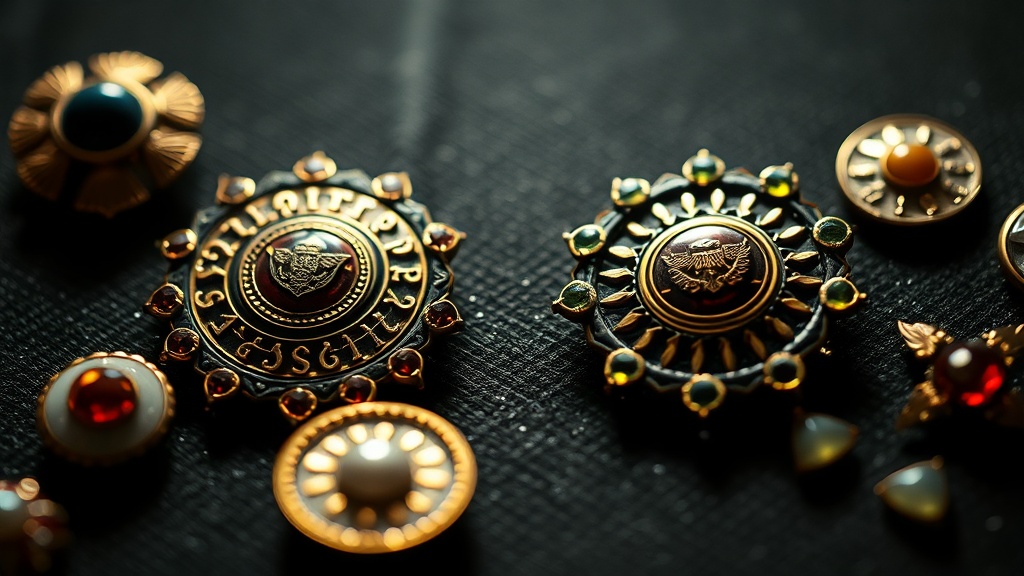
Identifying Authentic Vintage Enamel Pins Versus Modern Reproductions

Imagine holding a heavy, cold piece of metal in your hand, expecting the weight of history, only to find it feels suspiciously light and plastic-like. You've just discovered a shop claiming to sell "antique enamel pins," but the weight doesn't match the era. This isn't just a disappointment; it's a common trap in the collectibles market. Distinguishing between a genuine vintage piece and a modern reproduction is a skill that separates the serious collector from the casual buyer. It requires looking past the shiny surface and examining the structural integrity, the metal composition, and the specific ways the enamel interacts with the base.
A true vintage pin carries more than just an image—it carries a specific manufacturing signature. Whether it's a mid-century promotional pin or a Victorian-era souvenir, the method of production tells the story. Modern machines can mimic many old looks, but they often fail to replicate the subtle imperfections and the specific chemical reactions that occur over decades. If you're hunting for authentic pieces, you need to know exactly what to look for before you hand over your hard-earned cash.
Why does the weight of the pin matter so much?
Weight is one of the first indicators of age and quality. Most genuine vintage pins were struck from substantial metals like brass, bronze, or occasionally silver. These metals have a specific density that modern, cheaper alloys lack. If a pin feels "hollow" or suspiciously light, it's a red flag. Modern reproductions often use zinc alloys or even plastic bases with a thin metal coating to keep production costs low. A heavy, solid feel usually suggests a more substantial piece of history.
However, weight isn't the only factor. You also have to look at the back of the pin. Authentic vintage pieces often feature different types of closures. For instance, early 20th-century pins might have a simple, thick wire pin or a heavy-duty safety clasp. Modern mass-produced pins often use a very thin, flimsy butterfly clutch that feels much more fragile than the original versions. If the back of the pin looks too perfect—meaning it has no signs of wear, oxidation, or even a slight patina—you might be looking at a modern copy.
How can I tell if the enamel is real or just paint?
The distinction between hard enamel (cloisonné) and soft enamel is massive. In true vintage hard enamel, the colored glass or resin is fused into a metal cell and then polished flat. This creates a smooth, glass-like surface that is flush with the metal edges. If you run your finger (carefully!) over the edge, you shouldn't feel a dip or a ridge between the color and the metal. Most modern, cheaper enamel pins are "soft enamel," where the color sits in a recessed area, creating a textured, bumpy feel.
Check the edges of the colored sections. In high-quality vintage pieces, the metal lines (the dividers) are incredibly fine and consistent. Modern reproductions often have slightly uneven or thicker metal walls. Furthermore, look at the color depth. Genuine vintage enamel often has a certain translucency or depth to it that looks almost three-dimensional. Modern-day paint or low-grade resin often looks flat, opaque, and somewhat superficial. You can learn more about these manufacturing distinctions through specialized collector resources like the Smithsonian Institution archives, which document much of the material history of the 19th and 20th centuries.
What are the signs of a fake vintage pin?
Looking for a "tell" is part of the fun, but it also saves you from a bad investment. Here is a quick checklist of common red flags:
- The Backside is Too Clean: A 50-year-old pin should show some signs of life. Even if it was well-preserved, look for tiny scratches or a slight darkening of the metal. A perfectly shiny, bright back often points to a recent factory run.
- The Pin Post is Too Thin: Many modern-day cheap pins use a very thin, needle-like post. Older pieces tend to have a thicker, sturdier post that was designed to last.
- The Colors are Too Bright: While some vintage colors are vibrant, a neon or overly "digital" looking color palette is a sign of modern manufacturing.
- The Branding is Missing: Many high-quality vintage pins were produced by specific manufacturers. If the back is completely blank and the pin looks generic, it might be a modern mass-produced item.
It is also worth noting that many collectors use the Library of Congress digital collections to research historical imagery. If you find a pin with a design that looks like it belongs in a specific historical era, cross-reference it with known manufacturer marks or styles from that period. This can verify if the design even existed during the time the seller claims it's from.
The process of identifying these pieces isn't just about the money; it's about the respect for the object. A vintage pin is a tiny piece of a larger cultural moment. Whether it's a medal from a long-forgotten parade or a simple decorative brooch, it has a soul that a modern imitation simply cannot replicate. Take your time, use a jeweler's loupe if you have one, and always trust your gut. If something feels off, it probably is.
Common Inspection Tools for Collectors
If you're serious about building a collection, you shouldn't rely on your eyes alone. A simple set of tools can make a huge difference in your ability to verify what you're seeing.
| Tool | Purpose | Why it helps |
|---|---|---|
| Jeweler's Loupe (10x) | Detail Inspection | Shows the precision of the enamel cells and metalwork. |
| Digital Scale | Weight Verification | Confirms if the metal density matches the expected era. |
| Magnifying Glass | Surface Analysis | Detects micro-scratches or modern manufacturing artifacts. |
When you're out at flea markets or browsing online auctions, remember that the most valuable thing you possess is your skepticism. Don't be rushed into a purchase. A true collector understands that the hunt is just as important as the find itself. Keep your eyes peeled for those small details—the ones that the mass-production lines can't replicate.