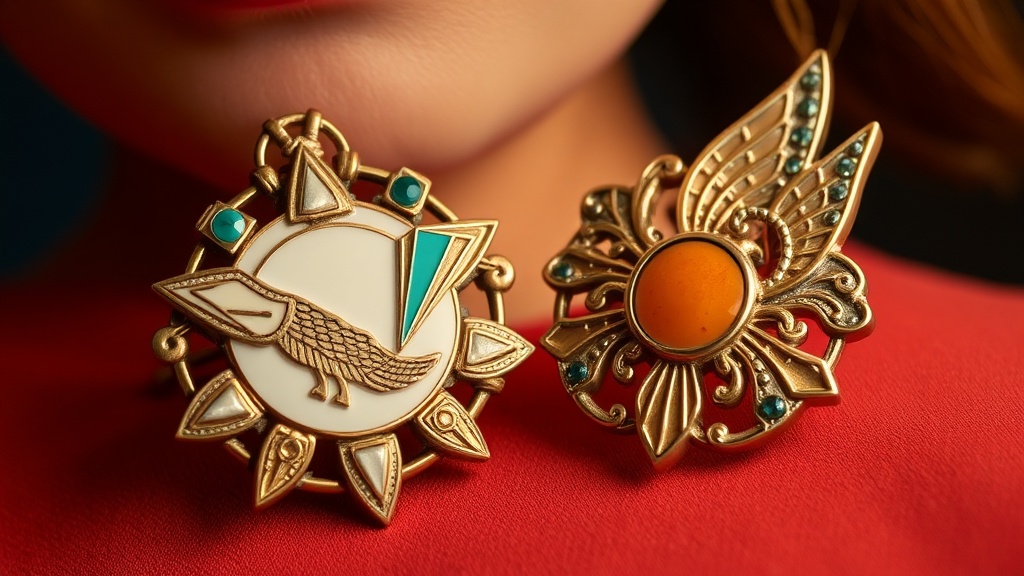
Identifying Rare Variations in Vintage Enamel Pins

What Makes a Vintage Enamel Pin Rare?
This post covers the specific markers of high-value enamel pins, focusing on how to distinguish common production runs from rare variations. You'll learn about metal composition, enamel depth, and the subtle manufacturing flaws that actually drive up a collector's interest. Understanding these nuances is the difference between owning a trinket and owning a piece of history.
Most collectors start by looking at the surface, but the real secrets are often found on the back or in the way the light hits the enamel. A common mistake is assuming a shiny, perfect finish is always the best. In the world of vintage metalwork, perfection can sometimes signal a modern reproduction rather than an aged original. You need to look for the character of the piece—the slight unevenness in the metal or the way the pigment has aged over decades.
Rare variations often stem from limited production runs or changes in factory tooling. For instance, a pin might have a standard brass back, but a specific version might feature a nickel-silver base or a different attachment mechanism. These small changes aren't just technicalities; they define the rarity of the item. If you're looking at an old celluloid-backed pin versus a solid metal one, the weight and tactile feel will tell you a lot about its origin.
The Role of Metal Quality and Backing
When you're inspecting a piece, don't just look at the front. Turn it over. The way a pin is fastened—whether it's a C-clasp, a safety pin, or a screw-back—can pinpoint the era it was made. A high-quality vintage piece often has a substantial weight that modern, cheap imitations lack. If a pin feels light or "tinny," it's likely a modern casting rather than an authentic vintage find.
The metal itself matters too. Brass, copper, and silver-toned alloys were the standard for different decades. A sudden shift in the alloy used for a specific brand or organization's insignia can signal a transition period, which is where the most interesting variations live. It's a subtle game of details, but it's the only way to truly vet a collection.
How Do You Spot Fakes and Reproductions?
The biggest challenge for any collector is the influx of modern "repro" pins that look deceptively similar to the originals. One of the easiest ways to spot a fake is through the enamel. Authentic vintage enamel, especially the hard-fired variety, has a certain depth and translucency. Modern soft enamel often looks flatter and more uniform, lacking the dimensional qualities of older pieces.
Another giveaway is the oxidation. While we talked about preservation elsewhere, seeing a natural, even patina is a good sign of age. If a pin looks "too new"—meaning the metal is perfectly bright and the enamel shows zero micro-scratches—be skeptical. Real age leaves a footprint. You might see tiny pits in the metal or slight discoloration around the edges of the enamel cells. These aren't defects; they're evidence of time passing.
Check the attachment point carefully. A modern pin-back is often much more standardized and uniform. A vintage piece might have a slightly irregular or hand-finished clasp. If you want to research more about metal composition and historical standards, the Library of Congress offers incredible resources on historical manufacturing and material-based history. It's a great way to ground your knowledge in actual historical context.
Why Does Enamel Color Matter for Value?
Color isn't just an aesthetic choice; it's a marker of production. Certain pigments were more expensive to produce or harder to stabilize in the mid-20th century. A pin that features a rare shade of cobalt blue or a deep, saturated crimson might be more valuable than one with standard colors. This is because the chemical composition of the pigments used in the enamel can change based on what was available in the factory at the time.
If you're looking for more information on the chemistry of color and how it affects different materials, the Encyclopedia Britannica is a fantastic resource for understanding the broader historical context of pigments and industrial dyes. Knowing the history of how colors were made can help you identify if a certain color is period-accurate or a modern anomaly.
What Should You Look for in a High-Quality Collection?
A high-quality collection isn't just about quantity; it's about the diversity of the pieces and the integrity of the metal. When building a collection of small metal collectibles, you want pieces that show a clear lineage. This means looking for consistent styles, eras, or themes. A collection that jumps randomly between different eras without a cohesive thread is harder to curate and often holds less value than a specialized one.
When you're out at flea markets or scouring online auctions, look for the "details in the margins." This means looking at the side profile of the pin. Is the enamel flush with the metal, or is it slightly recessed? Is the metal thick or thin? These physical attributes are your best defense against buying a low-quality item. A thick, sturdy construction is almost always a sign of a more significant, higher-quality piece.
Ultimately, collecting is about more than just the objects—it's about the stories they tell. Whether it's a tiny enamel pin from a defunct soda company or a brass button from a historical uniform, these small items are physical remnants of a specific moment. Treat them with care, study them closely, and don't be afraid to be a bit picky. The best finds are the ones that demand a second look.