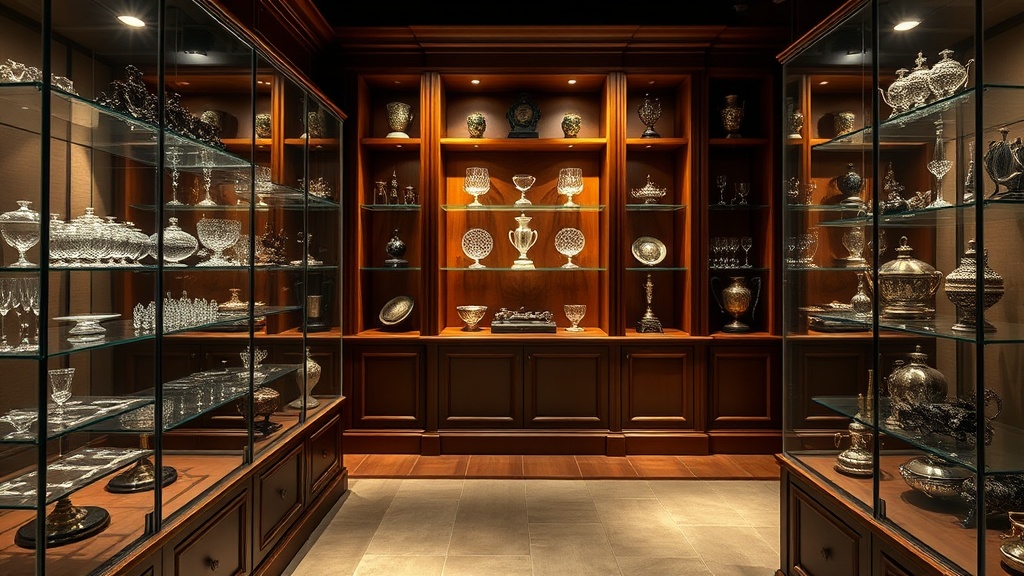
Selecting High-Quality Display Cases for Glass and Metal Collections

Imagine walking into a local antique fair and spotting a rare, cobalt blue medicine bottle. You secure it, bring it home, and then realize you have no way to show it off without risking a scratch or a heavy knock against a shelf. This is the dilemma for many collectors of small, fragile items like glass bottles, enamel pins, or metal medals. If you just throw them in a drawer, they get scratched; if you leave them on an open shelf, dust settles in the crevices and becomes a nightmare to clean. Choosing the right display method is about more than just aesthetics—it's about creating a controlled environment that respects the physical integrity of your finds.
A collection of small items requires a balance between visibility and protection. Whether you're into vintage bottle caps or heavy brass medals, the way you present them dictates how long they stay in top condition. We're looking at how to choose between shadow boxes, acrylic cases, and custom shelving to ensure your pieces don't just sit there, but actually stand out.
Which Display Type Works Best for Glass Bottles?
Glass is a tricky medium. It’s heavy, often irregularly shaped, and highly susceptible to breakage if a shelf fails. When you're dealing with a collection of vintage glass—like apothecary bottles or colorful soda bottles—you can't just use a standard bookshelf. You need something with a stable base and enough depth to prevent tipping.
Acrylic risers are a favorite for a reason. They allow you to create different levels within a single display case, which is a great way to maximize space in a small-scale collection. If you have a collection of varying heights, using tiered stands helps prevent the taller bottles from overshadowing the smaller ones. However, keep in mind that acrylic can scratch easily if you aren't careful during cleaning. You'll want to use a microfibers cloth rather than a paper towel to avoid leaving fine lines on the surface.
For those who prefer a more permanent setup, custom wooden shelving with built-in grooves can work well. This keeps each bottle in a designated spot, reducing the chance of them bumping into one another during a house shake or a minor tremor. If you're looking for professional-grade storage solutions, checking out the specialized glassware protection standards at the Smithsonian Institution can give you ideas on how professional curators handle fragile objects.
How Do I Protect Enamel Pins from Tarnish and Damage?
Enamel pins are small, but they carry a lot of weight in a collection. The metal backing—whether it's a butterfly clutch or a rubber pin back—can sometimes react with the materials around it. If you're displaying them on a fabric-lined shadow box, you have to be certain the fabric is acid-free. If the backing is too heavy, the pin might even sag or tear the material over time.
I've seen many collectors make the mistake of pinning their items directly onto a corkboard. While cork is a decent middle ground, it can eventually crumble or leave debris. A better way is to use a dedicated pin display board made of high-density foam or a specialized metal grid. This keeps the pins upright and prevents the weight of the metal from pulling at the display surface. If you want to see how different materials interact with metals, the American Chemical Society provides great info on oxidation and chemical reactions that might affect your metal finds.
- Shadow Boxes: Great for depth and keeping dust out.
- Display Boards: Best for organizing hundreds of pins in a small footprint.
- Acrylic Stands: Ideal for single, high-value commemorative pieces.
Is an Enclosed Case Better Than an Open Shelf?
The short answer is yes. An open shelf is a magnet for dust. For a collector of bottle caps or small metal tokens, dust isn't just a visual nuisance; it can actually hold moisture against the surface of the item, leading to premature oxidation or rust. An enclosed glass or acrylic case acts as a barrier. It keeps the air relatively still and prevents humidity spikes from hitting your items directly.
When choosing a case, look at the seal. A case with a tight-fitting lid is much better than one that just sits loosely on a base. If you're displaying metal-heavy items, you might even consider placing a small packet of desiccant inside the base of the case. This helps manage the micro-climate inside the display, ensuring that your brass medals or tin caps don't develop an unwanted patina or rust from trapped moisture.
One thing to watch out for is the lighting. If your display case is sitting near a window, the sunlight can do more damage than you might think. UV rays can fade the colors of enamel pins and even certain types of colored glass over many years. Always place your display in a spot where it's protected from direct light-paths. If you must have it near a window, ensure the case has UV-resistant acrylic or glass to act as a shield.
When you're building your collection, don't just think about the purchase. Think about the next ten years. A well-chosen display isn't just a place to put things; it's a way to honor the history of the objects you've worked so hard to find. Whether it's a single prized bottle or a hundred pins, give them a home that reflects their value.