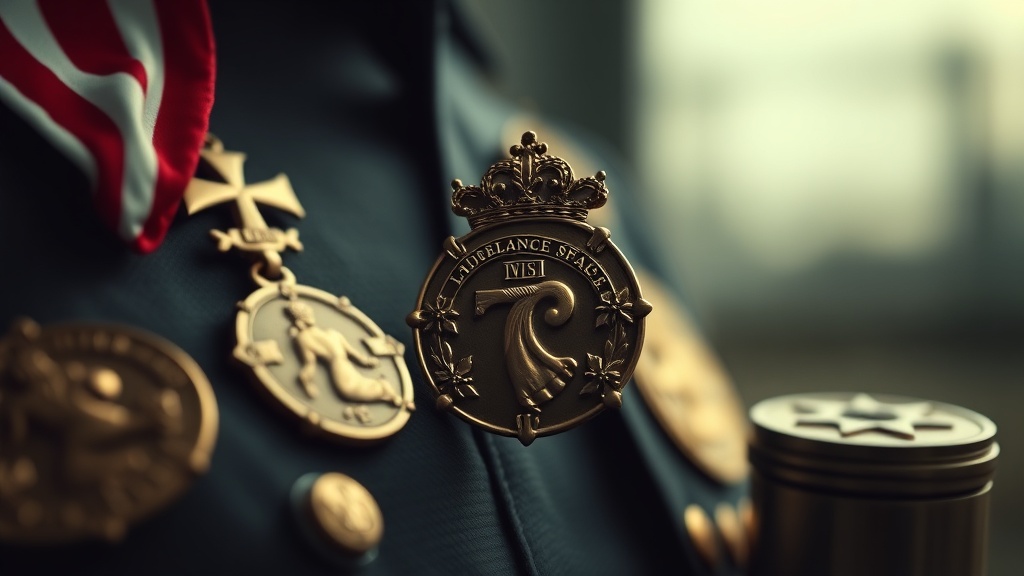
The Fascinating History of Military Medals and Commemorative Pins

This post traces how military medals evolved from battlefield recognition to coveted collector's items—and explains what drives the market for these small pieces of history. Whether you're hunting for a pristine World War II Purple Heart or just discovered Granddad's Vietnam service pins in an attic box, understanding the origins and value factors will save you from overpaying and help you spot genuine treasures.
When Did Military Medals First Appear?
Medals as we know them emerged in the 15th century. The first true military medal—the Medal of the Virgin Mary—was awarded by Queen Isabella of Castile to soldiers who fought at the Battle of Granada in 1492. (Yes, the same year Columbus sailed.) Before that, warriors received rings, chains, or simple coins.
The concept spread quickly across Europe. By the 1600s, every major power had established formal decoration systems. Napoleon Bonaparte took things further—he created the Légion d'honneur in 1802, and suddenly medals weren't just for nobility. Common soldiers could earn recognition too.
Here's the thing: American military medals came late to the party. The first U.S. decoration—the Badge of Military Merit—was created by George Washington in 1782. Only three soldiers received it during the Revolutionary War. The award disappeared until 1932, when the Army revived it as the Purple Heart we recognize today.
What Makes a Military Medal Valuable to Collectors?
Several factors determine worth: rarity, condition, historical significance, and provenance. A common World War I Victory Medal in worn condition might fetch $15. The same medal awarded to Alvin York—the famous sharpshooter—sold for over $50,000 at auction in 2019.
The catch? Most medals aren't that special. Millions of Purple Hearts were produced for the planned invasion of Japan. When the atomic bombs ended the war suddenly, those medals sat in warehouses. Surplus examples still trade hands for $30–$80.
Worth noting: commemorative pins operate differently. These small pieces—often showing unit insignias, campaign ribbons, or support-the-troops messages—were produced by the millions. They're affordable entry points for new collectors. You can build a respectable Vietnam-era pin collection for under $200.
Authenticity matters more than age. The market floods with reproductions. German Iron Crosses from World War II are particularly problematic—estimates suggest 70% of "SS" marked pieces are fakes produced after 1945. Reputable dealers like Manion's International Auction House and eMedals provide certificates of authenticity. Buy the seller, not just the item.
How Do You Start a Medal and Pin Collection?
Start narrow. The biggest mistake beginners make? Buying everything shiny. Choose a focus—maybe Vietnam War Army decorations, or Civil War-era reunion badges, or even modern challenge coins. Narrow collections tell stories. Random accumulations just gather dust.
Storage matters more than you'd think. Bronze and silver medals tarnish. Ribbon fabrics fade. The Smithsonian recommends storing medals in acid-free boxes with silica gel packets—never in plastic bags that trap moisture. For display, Museum Wax (available at archival suppliers like Archival Suppliers) keeps pieces secure without damage.
| Category | Typical Price Range | Rarity | Best For |
|---|---|---|---|
| Modern U.S. service medals (post-1945) | $10–$75 | Common | Beginning collectors |
| World War I campaign medals | $25–$300 | Moderate | Intermediate collectors |
| Civil War reunion badges | $50–$2,500 | Variable | Specialized collectors |
| Named World War II decorations | $150–$5,000+ | Rare (for specific units) | Advanced collectors |
| Commemorative lapel pins (modern) | $3–$25 | Very common | Casual collectors, displays |
Where to Hunt for Authentic Pieces
Flea markets are unpredictable. Estate sales are better—especially in regions near former military bases. Portland, where this collection calls home, offers surprisingly good hunting grounds. The Oregon Military Museum in Clackamas holds annual swap meets. The Portland Antique Expo (held three times yearly at the Expo Center) regularly features medal dealers from across the Pacific Northwest.
Online marketplaces require caution. eBay works for low-value items under $50. Above that price, demand detailed photographs—obverse, reverse, ribbon, and any engraving. Ask about the medal's "story" (provenance). A Bronze Star with paperwork tracing it to a specific soldier commands premium prices over identical unattributed examples.
The Ethics Question
"Stolen valor" isn't just about people wearing medals they didn't earn. It's also about collectors trafficking in decorations that families should have kept.
That said, the line blurs. Military medals have been bought and sold since their invention. Napoleonic veterans sold their Légion d'honneur crosses to buy bread. World War I doughboys pawned their Victory Medals during the Depression. Today's market continues this tradition—but with more scrutiny.
Several organizations maintain stolen medal databases. The FBI's Art Crime Team tracks high-value military thefts. The Orders and Medals Society of America (OMSA) publishes guidelines for ethical collecting. If a deal seems too good—a named Medal of Honor for $500—it's stolen, fake, or both. Walk away.
What About Commemorative Pins and Small Items?
These tiny collectibles deserve more respect than they get. Campaign pins, unit crests, and "support our troops" lapel buttons document social history that official medals miss. The classic "V for Victory" pin from World War II—mass-produced by the millions—now sells for $8–$15 in decent condition.
Coca-Cola produced military-themed bottle caps during World War II. These small celluloid discs featured slogans like "Buy War Bonds" and service branch emblems. Complete sets trade for $200–$400. (Yes, bottle caps. That's why this topic belongs in Collectibles/Bottles, Caps & Smalls.)
You'll find commemorative pins everywhere once you start looking. The American Legion sells membership pins yearly. Veterans of Foreign Wars (VFW) posts produce their own variants. Even presidential campaigns generated military-themed lapel pins—Dwight D. Eisenhower's 1952 "I Like Ike" military-style insignia pins are collectible today.
Preserving Your Collection
Documentation transforms objects into history. Record where you acquired each piece, what you paid, and any provenance information. Photograph everything. Store paper records separately from the actual collection—fire happens.
Insurance requires appraisal. Standard homeowner's policies rarely cover collectibles adequately. Companies like Collectibles Insurance Services specialize in military memorabilia. Expect to pay roughly $1–$3 annually per $100 of insured value. That sounds trivial until you're protecting $20,000 in named Civil War medals.
The market keeps evolving. Prices for Vietnam War items climbed steadily as that generation entered its collecting years. Desert Storm memorabilia—once dismissed as "too recent"—now attracts serious attention. Smart collectors watch demographic trends. What's cheap today becomes tomorrow's treasure when nostalgia kicks in.
Your collection starts with one piece. Maybe it's a Purple Heart at an estate sale. Maybe it's a handful of pins from your grandfather's drawer. Handle them carefully. Research thoroughly. And remember—every medal represents someone's story. Collectors preserve those stories, one small piece of metal at a time.