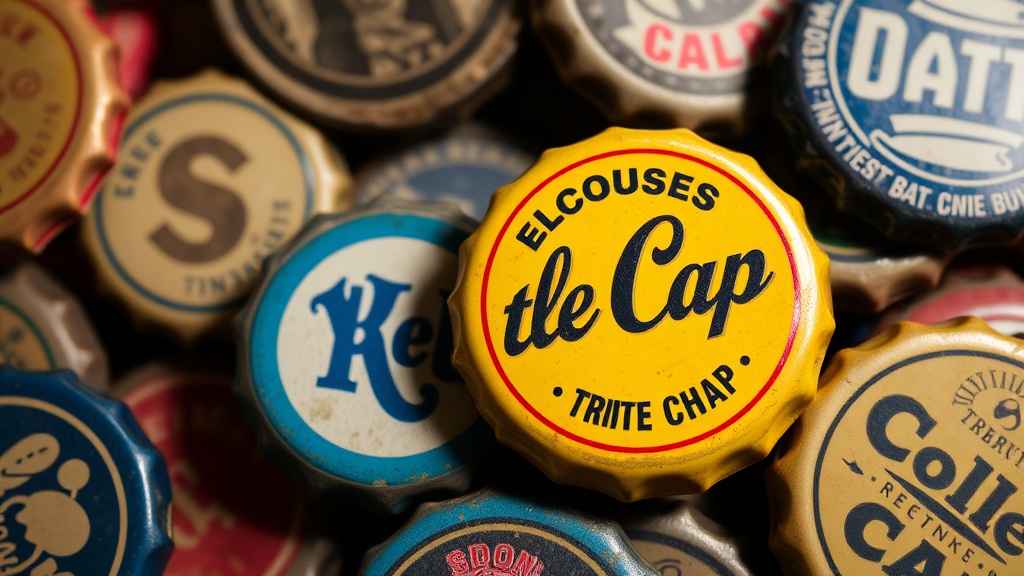
Ultimate Guide to Collecting Vintage Bottle Caps

This guide covers everything needed to start and grow a vintage bottle cap collection — from identifying rare specimens and spotting valuable crown cork variations to proper storage, display options, and building connections with fellow collectors. Whether someone's drawn to the nostalgic artwork of 1950s soda caps or the technical precision of early beer closures, there's real satisfaction in preserving these small pieces of everyday history.
What Makes a Bottle Cap Valuable to Collectors?
The most valuable bottle caps combine rarity, condition, and historical significance. Early crown cork designs from the 1890s through 1920s command premium prices — especially those with intact cork liners and minimal rust. Limited-run promotional caps (think 1950s Coca-Cola contest designs or regional brewery commemoratives) often fetch $50 to $200 each in top condition.
Here's the thing: value isn't always about age. A pristine 1970s Mountain Dew cap with the original "hillbilly" artwork can outsell a common 1910s beer cap that's heavily corroded. Collectors prioritize visual appeal and scarcity over simple chronology. The Bottle Cap Collectors Association maintains pricing guides that help newcomers understand current market rates.
Condition matters enormously. Caps grading "mint" (no dents, original paint, liner intact) typically sell for 5-10 times more than "good" examples with scratches or fading. Storage mishaps — moisture exposure, crushing, or sunlight damage — destroy value fast. Serious collectors invest in proper archival materials early.
How Do You Identify Rare and Authentic Vintage Bottle Caps?
Authentic vintage caps display specific manufacturing characteristics that modern reproductions rarely duplicate — including stamped patent dates, distinctive crimp patterns, and period-appropriate printing techniques.
Start with the edges. Pre-1920s caps often show hand-cranked crimping irregularities, while machine-made examples from the 1930s onward feature uniform gripping patterns. The liner material tells a story too: natural cork dominated until the 1960s, when synthetic alternatives took over. A cap claiming 1940s origins with a PVC liner is suspicious.
Printing methods evolved dramatically. Early caps used simple one-color stamps or paper labels glued to metal. Multi-color lithography arrived in the 1930s, enabling the vibrant advertising artwork that dominates collections today. The catch? Reproductions often use modern digital printing that looks "too perfect" — colors too saturated, edges too crisp, lacking the slight registration misalignments of vintage press work.
Worth noting: some of the most sought-after categories include:
- Crowns with intact cork liners — especially from pre-Prohibition breweries
- War-era designs — caps with patriotic themes or rationing notices from WWII
- Regional soda brands — small-town bottlers that operated for limited periods
- Error prints — misspelled names, inverted colors, off-center graphics
- International commemoratives — 1950s-70s export designs from European breweries
The Bottle Cap Collectors Association offers authentication resources and connects collectors with regional experts who can evaluate questionable specimens.
What's the Best Way to Store and Display Bottle Cap Collections?
Proper storage requires controlling humidity, preventing oxidation, and eliminating physical pressure — caps stored loose in jars will scratch each other; caps in damp basements will rust.
For active collections (caps handled frequently), rigid plastic pages designed for crown caps work well. The Ultra-PRO 3-Pocket Crown Caps Pages fit standard three-ring binders and hold caps securely without crimping edges. For long-term storage, acid-free cardboard boxes with individual cell compartments — similar to coin collection boxes — provide excellent protection against environmental damage.
Display options range from simple to elaborate. Magnetic boards (using strong neodymium magnets behind a thin metal sheet) allow arranging and rearranging without handling damage. Shadow boxes with UV-protective glass work beautifully for showcasing themed subsets — say, all 1950s root beer brands or a complete series of Olympic commemorative caps. The Gallery Solutions Shadow Box Frame offers decent depth and comes in sizes that accommodate 50-100 caps attractively.
Here's a comparison of popular storage methods:
| Storage Method | Best For | Capacity | Cost Estimate | Pros | Cons |
|---|---|---|---|---|---|
| Plastic binder pages | Active collecting, trading | 20 caps per page | $15-25 per 10 pages | Easy viewing, portable | Can trap moisture if not careful |
| Acid-free cell boxes | Long-term archival | 100-200 per box | $20-40 per box | Excellent protection, stackable | Less accessible for viewing |
| Magnetic display boards | Showcasing favorites | Variable | $30-80 per board | Flexible arrangement, attractive | Risk of caps falling; dust exposure |
| Glass-top display cases | High-value specimens | 25-50 per case | $50-150 per case | Beautiful presentation, protected | Expensive; limited capacity |
That said, environmental control trumps container choice. Ideal storage conditions run 60-70°F with 45-55% relative humidity — basically, the same comfort range humans prefer. Basements and attics are usually disasters waiting to happen. Desiccant packets (the silica gel packs found in electronics packaging) help in humid climates.
Where Can You Find Vintage Bottle Caps?
Building a collection requires patience, persistence, and knowing where to look — estate sales, antique shops, online marketplaces, and direct connections with other collectors all yield results.
Estate sales in older neighborhoods often turn up coffee cans full of caps stashed in garages — remnants of someone's grandfather's collecting hobby or a former bottling worker's memorabilia. The best finds come early (first day, first hour) or late (final hours when prices drop). Antique malls typically overprice common caps but occasionally undervalue genuine rarities. It pays to know specific markings that indicate age and scarcity.
Online, eBay remains the largest marketplace, though competition drives prices up. Specialized forums and Facebook groups often offer better deals from collectors thinning their collections. The r/BottleCapCollecting community actively trades and shares leads on unusual finds.
Direct digging — literally — still works in certain locations. Old dump sites, riverbanks near former bottling plants, and construction sites in historic districts occasionally yield "dug caps." These require serious cleaning and often show corrosion, but the historical connection appeals to many collectors. Portland's industrial waterfront, for example, has produced early 1900s beer caps from long-defunct Oregon breweries.
How Do You Clean and Restore Old Bottle Caps?
Cleaning should preserve original patina while removing harmful grime — aggressive restoration destroys value and authenticity.
Surface dirt responds to warm water with a drop of mild dish soap and a soft toothbrush. Work gently; the paint on vintage caps is often fragile. For rust spots, a brief soak in distilled white vinegar (10-15 minutes maximum) followed by thorough rinsing and immediate drying can help — but test on a common cap first. Never use steel wool, sandpaper, or power tools. The goal isn't making caps look new; it's stabilizing them for preservation.
Liner removal presents a dilemma. Cork liners often deteriorate into dust or mold, yet some collectors prize intact original liners as authentication markers. Generally, remove crumbling liners that risk damaging the cap's interior — but document them first with photographs. Replacement liners exist for display purposes, though serious collectors note when caps have been re-lined.
Display cleaning matters too. Glass cases need regular dusting; magnetic boards need checking for loose caps. Direct sunlight fades colors surprisingly fast — that vibrant orange Crush cap will turn peach in months of window exposure. UV-filtering glass or acrylic helps, but keeping collections away from windows remains the safest approach.
Bottle cap collecting rewards curiosity and attention to detail. Each small metal disk carries stories — of local businesses, advertising trends, manufacturing innovations, and everyday moments when someone cracked open a cold drink on a summer afternoon. The community of collectors (fragmented into specialty niches like soda enthusiasts, brewery historians, and crown cork technology devotees) shares knowledge generously. Start with whatever catches your eye. Build slowly. Document your finds. And remember — the caps that speak to you personally often bring more satisfaction than the "investment grade" pieces everyone else chases.