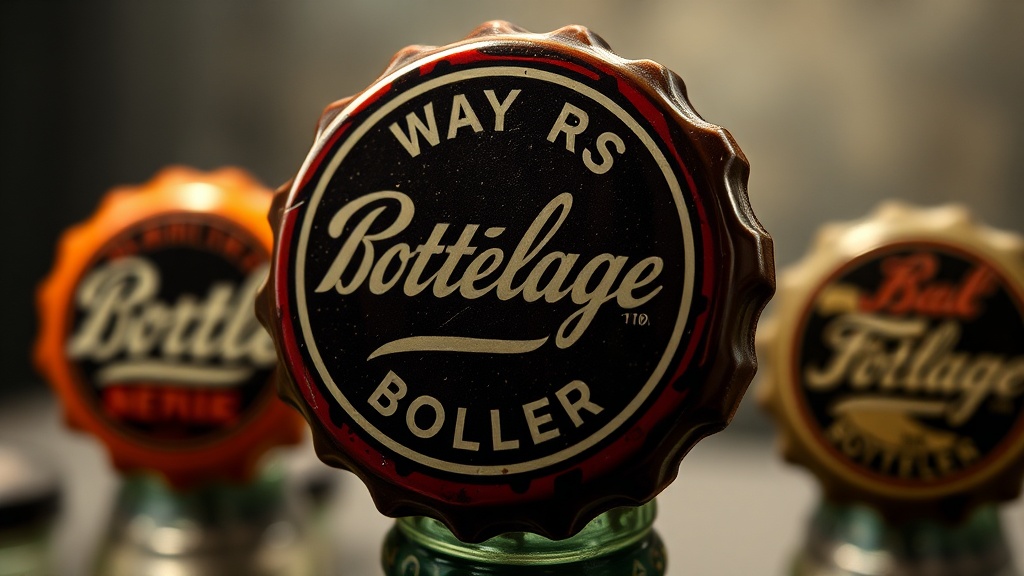
Why Do Certain Vintage Bottle Caps Hold Their Value?

Why do some bottle caps become collector items?
Have you ever looked at a pile of discarded metal scraps and wondered why one specific design might fetch a premium price while another is worth nothing? It isn't just about the metal; it's about the story, the rarity, and the era the cap represents. In the world of small collectibles, bottle caps—or crown corks—occupy a strange space between industrial waste and historical artifacts. Understanding the difference between a common grocery store cap and a piece of history requires looking at production methods, branding, and the sheer scarcity of certain designs.
The value of a cap is rarely driven by the weight of the tin or the aluminum. Instead, it's driven by the cultural footprint of the brand it displays. A cap from a defunct soda company from the 1950s holds more weight than a modern cap because it represents a lost era of American manufacturing. Collectors aren't just buying a piece of metal; they're buying a physical connection to a specific moment in time. This distinction is what separates a hobbyist from a serious collector.
What makes a bottle cap rare?
Rarity in the world of crown corks usually comes down to three factors: production lifespan, regional exclusivity, and design changes. A company might have used a specific logo for only two years before rebranding. Those two years of production result in a much smaller pool of available caps. You might find a common cap from a global giant like Coca-Cola, but finding a cap from a small-town brewery that went out of business in 1924 is a different story entirely.
Consider these factors when evaluating a new find:
- The Material: Older caps were almost exclusively made of steel or tin-plated iron. Finding a well-preserved metal cap from the early 20th century is a much bigger deal than finding a modern aluminum version.
- The Printing Method: Early printing techniques often left more texture and character. The way the ink sits on the metal can tell you a lot about the age of the piece.
- The Manufacturer: Local breweries and regional soda manufacturers are the gold standard. A cap from a company that only existed in one state during the Great Depression is far more valuable than a mass-produced national brand.
If you want to research the history of industrial packaging, the Library of Congress offers incredible digital archives that show how branding evolved. Seeing how logos changed over decades can help you identify the era of your own collection.
How can you identify a high-value vintage cap?
The first thing to look for is the physical condition of the "teeth" or the crimping. Many collectors look for "unopened" or "unpunched" caps. An unopened cap suggests it hasn't been subjected to the mechanical stress of a bottle opener, preserving the integrity of the metal and the clarity of the print. If the metal is rusted or the ink is faded, the value drops significantly, regardless of how rare the brand might be.
You should also watch out for "reproduction" caps. Many modern companies release "heritage" lines that look old but are actually brand new. These are great for display, but they won't hold the same value as a true vintage piece. To check authenticity, look at the edges of the seal. True vintage caps often show subtle signs of age-related wear that modern machines can't perfectly replicate. You can often find more technical details on metal aging via resources like Britannica when looking up historical manufacturing processes.
What are the best ways to store a metal cap collection?
Storage is where most collectors fail. Because these items are made of metal, they are incredibly susceptible to oxidation. If you keep your caps in a damp basement or a humid room, you'll see rust appearing on the edges within months. This isn't just an aesthetic issue; rust can actually eat through the printing, destroying the very thing that makes the cap valuable.
A few tips for keeping your collection in top shape:
- Avoid Direct Sunlight: UV rays can fade the ink on your caps. If you have a display case, ensure it isn't sitting right next to a window.
- Use Microfiber: When cleaning or moving your caps, use a soft microfiber cloth. Avoid abrasive materials that could scratch the printed surface.
- Humidity Control: If you keep your collection in a display case, consider adding small silica gel packets to absorb excess moisture.
The goal is to keep the metal stable. A slight patina is sometimes acceptable in the collector community, but heavy rust or flaking paint is a death sentence for value. Treat your caps like the small pieces of history they are, and they'll remain much more stable in your collection.