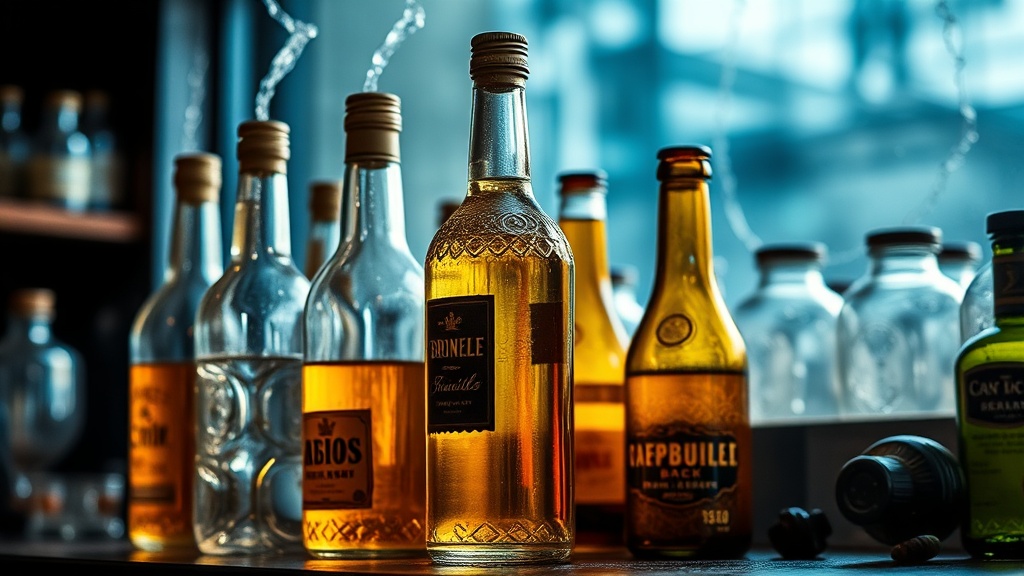
Keep Your Glass Bottles Safe from Temperature Shocks

Quick Tip
Maintain a stable, room-temperature environment to avoid thermal stress on old glass.
Many collectors assume that a thick glass wall is enough to protect a bottle from breaking, but they're mistaken. Temperature shifts—specifically the rapid change from hot to cold—can cause structural failure through thermal shock. This guide explains how to identify these risks and how to manage your storage environment to keep your glass collection intact.
How Does Thermal Shock Break Glass?
Thermal shock occurs when uneven expansion or contraction causes the glass to crack or shatter instantly. When one part of a bottle stays hot while another part cools down rapidly, the internal stress becomes too much for the material to handle. This is particularly common with antique soda bottles or heavy-walled beer bottles that haven't been tempered for extreme temperature swings.
If you keep your collection in a garage or an uninsulated attic, you're asking for trouble. The glass expands when it's warm and shrinks when it's cold. That rapid movement (often called thermal expansion) is what leads to those heartbreaking cracks. It's not just about the temperature itself—it's about the speed of the change.
What Are the Best Storage Temperatures for Glass?
The best way to protect your glass is to maintain a stable, room-temperature environment between 60°F and 70°F. Consistency is much more important than the specific number on the thermometer. A stable environment prevents the constant "breathing" of the glass that leads to fatigue over time.
Avoid these common mistakes when displaying or storing your bottles:
- Placing glass near HVAC vents: The direct blast of hot or cold air is a recipe for disaster.
- Displaying in direct sunlight: Heat from a window can bake the glass unevenly. If you're worried about light, you might want to avoid sunlight damage for your other collectibles too.
- Rapid temperature cycling: Moving a bottle from a cold basement to a warm living room too quickly can cause issues.
According to Wikipedia's entry on thermal shock, the risk increases with the thickness of the material. Thicker glass, like a heavy vintage stoneware-style bottle, actually faces higher risks because the temperature gradient between the inside and outside of the glass is more pronounced.
How Can I Safely Clean Glass Bottles?
You should always use lukewarm water rather than hot or cold water when cleaning your collection. Never use boiling water on a vintage bottle, and avoid using ice-cold water if the bottle has been sitting in a warm room. Using water that is close to the current room temperature is the safest way to prevent a crack during a wash.
| Water Type | Risk Level | Recommendation |
|---|---|---|
| Boiling/Very Hot | High | Avoid entirely for vintage glass. |
| Room Temperature | Low | The safest option for all glass. |
| Ice Cold | Medium | Avoid if the bottle is warm. |
It's a simple rule of thumb: the closer the water temperature is to the bottle's current temperature, the safer you are. It might take a few extra minutes to clean a piece, but it's better than losing a piece to a preventable crack. If you're also working with metal components or specialized displays, remember that gentle cleaning approaches are just as vital for your metal items.