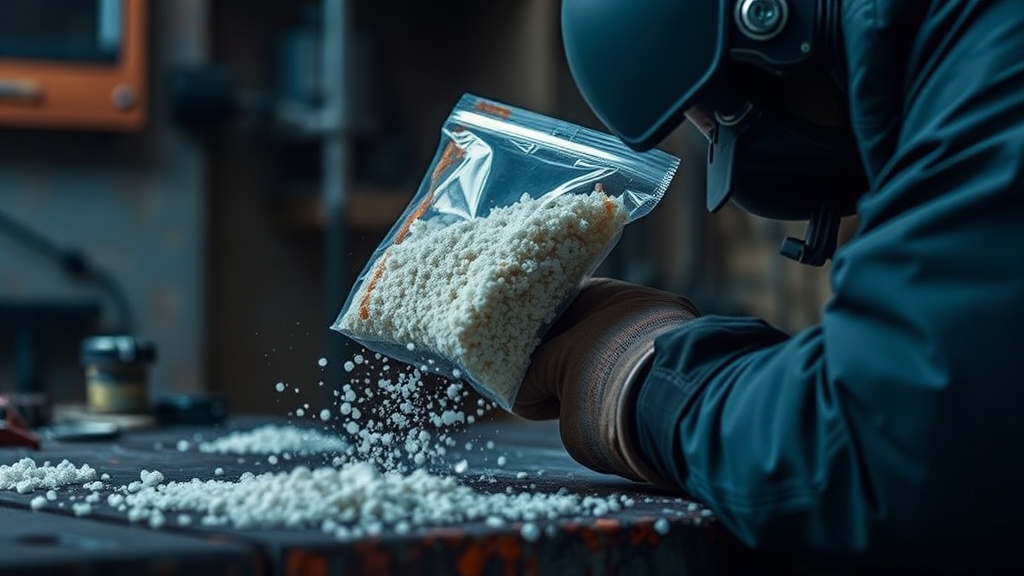
Stop Rust Before It Starts with Silica Gel Packs

Quick Tip
Always include a desiccant packet in airtight storage to keep humidity levels low and prevent oxidation.
Many collectors believe that keeping a collection in a sealed plastic bin or a glass display case is enough to prevent oxidation. It isn't. Even in a sealed container, the air trapped inside contains moisture that reacts with metal pins, medals, and even the metal components of bottle cap collections. This post explains how to use silica gel packs to manage humidity and protect your items from rust and corrosion.
Why Should I Use Silica Gel for My Collection?
Silica gel packs act as a desiccant, pulling moisture out of the air to create a dry environment for your valuables. If you store enamel pins or vintage medals in a drawer, the ambient humidity can trigger rapid oxidation on the metal backing or the pin posts. By adding these small packets to your storage bins, you're actively controlling the micro-climate around your items.
It's a simple, low-cost way to prevent the dreaded "green crust" on vintage pins. If you aren't already careful with your storage environment, you might want to check out my previous post on preserving patina through gentle cleaning to see how moisture affects metal surfaces.
What Type of Silica Gel Should I Buy?
You should primarily look for indicating silica gel, which changes color to let you know when it's time to replace or recharge the packet. Most collectors use either blue or orange beads to monitor the effectiveness of their storage solutions.
| Type of Silica Gel | Best Use Case | Pros/Cons |
|---|---|---|
| Indicating (Blue) | General metal/pin storage | Easy to see color change; can be slightly toxic if handled improperly. |
| Indicating (Orange) | High-end or sensitive collections | Non-toxic and safer for long-term display; slightly more expensive. |
| Non-Indicating | Shipping/Transit only | Cheap, but you won't know when it's "full" of water. |
When it comes to high-value items, I prefer the orange beads. They are much safer if you're handling small items frequently. You can find detailed chemical properties of these desiccants on the Wikipedia page for Silica gel.
How Often Do I Need to Replace Silica Gel Packs?
You need to replace or "recharge" your silica gel whenever the beads change color and indicate that the material is saturated with moisture. For most collectors using airtight containers—like those used for organizing bottle cap collections—this might happen every six to twelve months.
Here's the trick: don't just throw them away when they turn color. You can often dry them out in a low-temperature oven to make them usable again. It's a cycle of maintenance. If the beads stay the same color, they're still working. If they change, they're done. Keep a close eye on them—it's much cheaper than replacing a rusted-out vintage medal.
If you notice your display case looks foggy or your metal items look dull, your silica gel has likely reached its limit. Check your storage bins regularly.